Grow without soil. Discover what water can do.
Water Lab
Explore water, nutrients, roots, and simple hydroponic growing systems through hands-on discovery.
Build your own water garden
The Mason Jar Water Garden
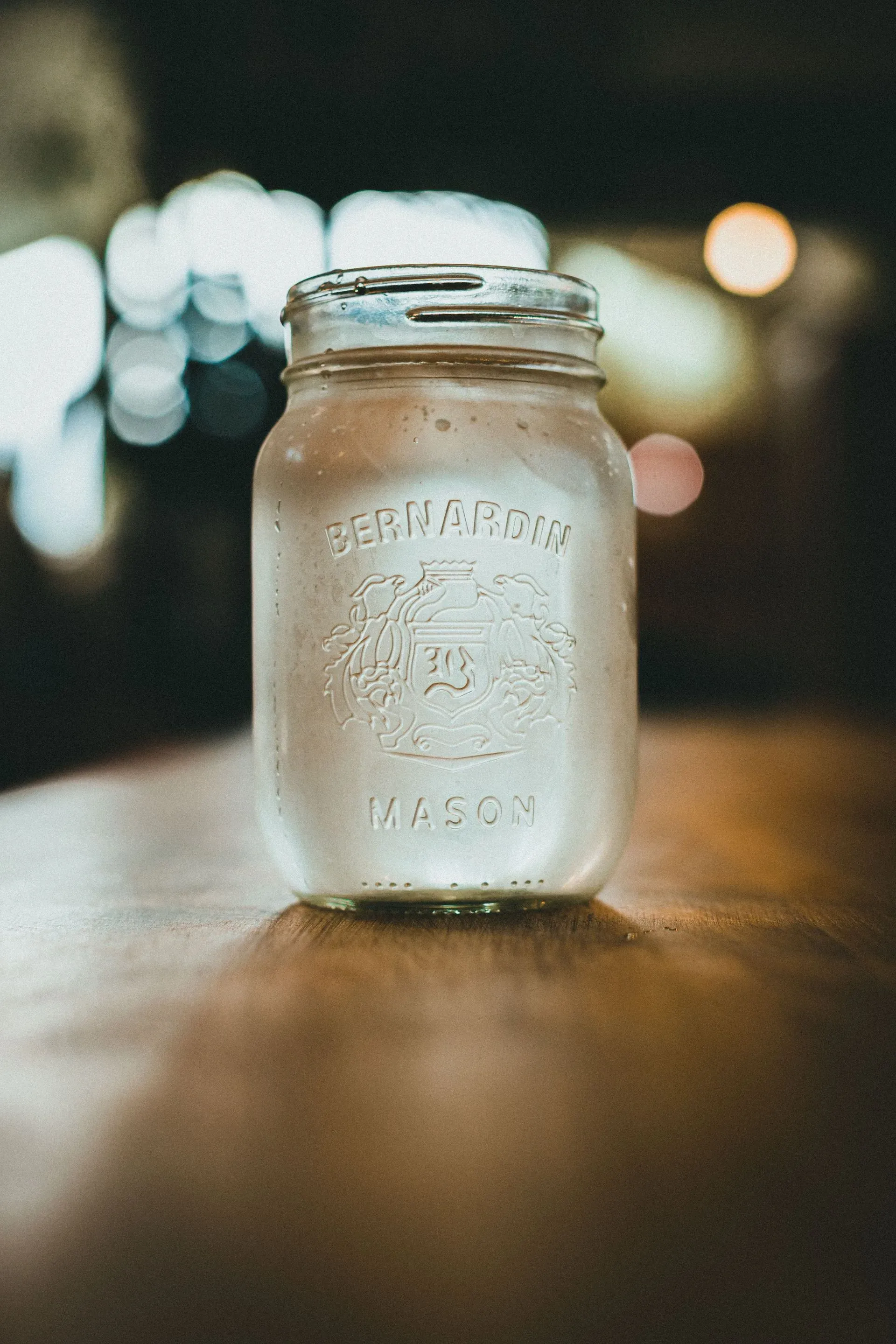
The centerpiece of the Water Lab is the Mason Jar Water Garden: a simple hydroponic growing system participants build themselves using the Kratky method.
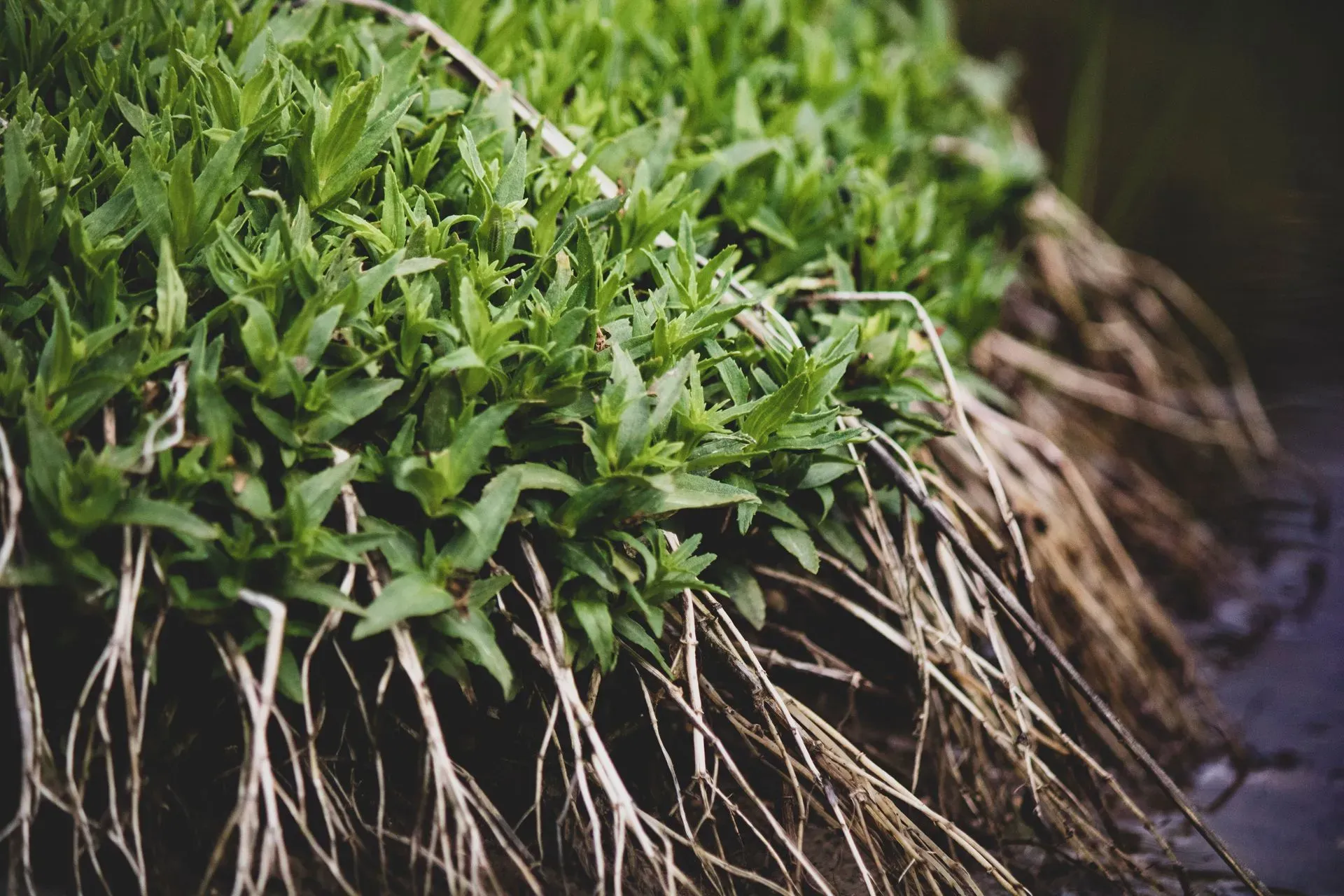
Each participant creates a miniature water garden by placing a young plant into a net cup positioned above a nutrient-rich water solution. As the plant grows, its roots begin reaching downward into the jar, making something that normally happens underground completely visible.
There are no pumps, complicated equipment, or large growing systems required.
Just a plant, water, light, roots, and discovery.
The Water Garden introduces participants to one of the simplest forms of hydroponic growing while helping them understand what plants actually need to survive.
Through this experience, participants:
- 1Build their own Mason Jar Water Garden.
- 2Place a seedling into a net cup growing system.
- 3Learn how plants can grow without soil.
- 4Discover the role water and nutrients play in plant growth.
- 5Observe roots as they develop beneath the plant.
- 6Learn why plants need both water and oxygen.
- 7Take responsibility for observing and caring for a living plant.
Small seeds. Big lessons.
What you'll discover
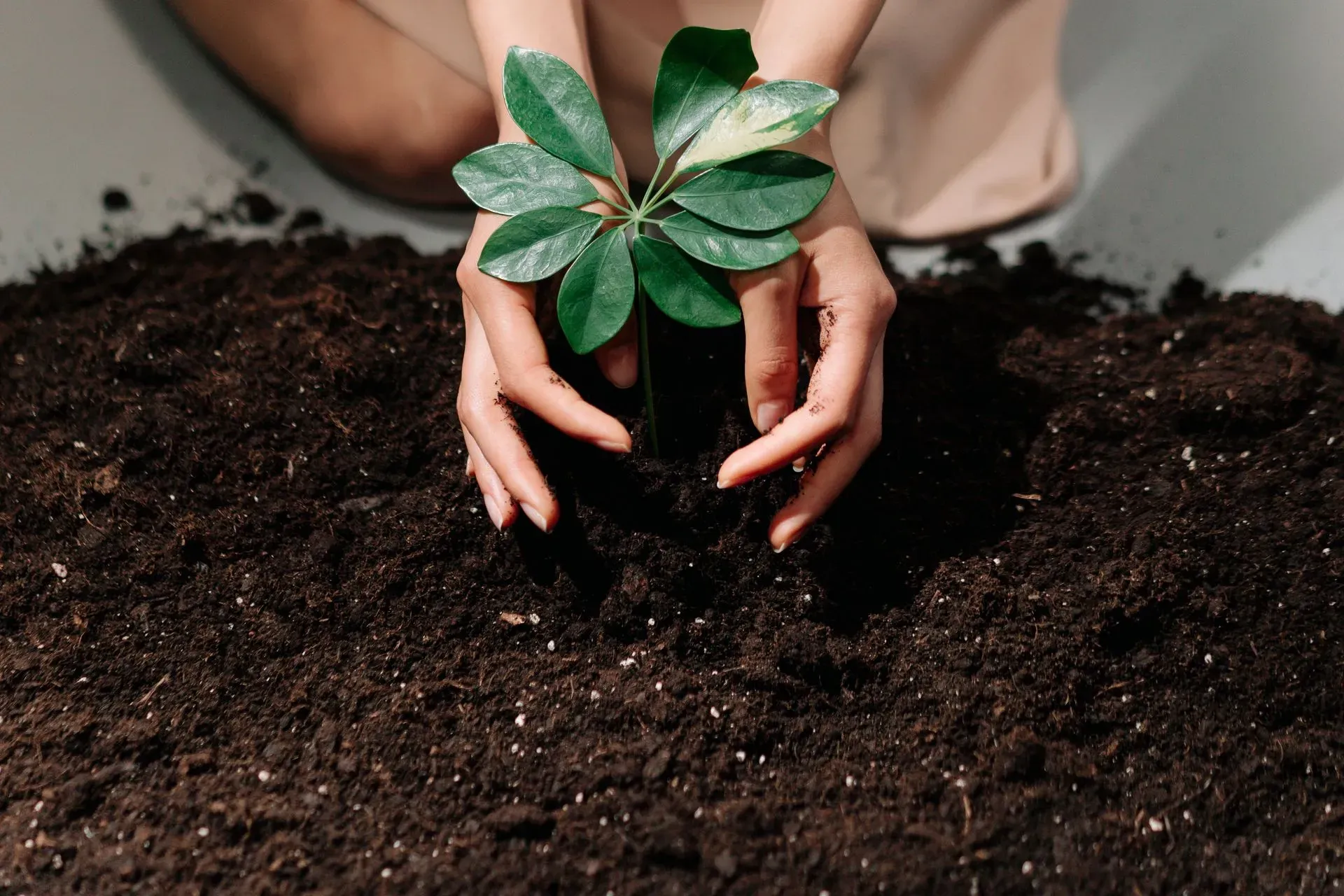
There's a Whole World Beneath the Plant
Water Lab turns something as simple as a jar of water into a window into how plants live.
Roots Have a Job
Roots do much more than hold a plant in place. Participants see how roots reach toward water and absorb the nutrients a plant needs to grow.
Plants Don't Always Need Soil
Soil is one way plants receive water, nutrients, and support; but it isn't the only way. Water Lab introduces participants to hydroponic growing in an approachable way.
Plants Need More Than Water
Healthy plants depend on a combination of water, nutrients, light, air, and care. The Water Garden makes those relationships easier to see.
Growing Is Something You Can Observe
Roots stretch. Leaves change. Water levels drop. New growth appears. Participants learn to slow down, notice what is happening, and become active observers of the growing process.
Small Systems Can Teach Big Ideas
A single Mason jar can introduce larger ideas about hydroponics, controlled-environment agriculture, water conservation, and new ways communities can grow food.
The Water Lab Kit
Everything you need to continue the experience
Water Lab resources can include:
Fredo's Water Garden
Our children's instructional storybook brings the Water Lab experience to life through Farmer Fredo and a simple story about roots, water, and wonder.
During storytime, children are introduced to each part of the Water Garden before beginning the hands-on activity including the Mason jar, net cup, seedling, water level, sunlight, observation, and eventually harvest.
Growing + Care Guidance
Participants receive simple guidance for caring for their Water Garden, observing plant growth, maintaining the proper water level, and knowing what to watch for as the roots and leaves develop.
Water Lab Demonstration Systems
The Mason Jar Water Garden provides the introductory experience, while Water Lab can also demonstrate how the same growing principles scale into larger systems — including 17-gallon Kratky totes and greenhouse growing demonstrations.
These examples help participants see the journey from one plant in one jar to larger food-growing systems.
Future Resource Opportunities
As Water Lab continues to grow, additional resources may include age-specific activity sheets, observation journals, classroom extensions, facilitator guides, and expanded home hydroponics resources.
Watch + Learn
Water Lab video library
Meet Water Lab with Farmer Fredo
Farmer Fredo introduces the Water Lab and shows how a simple jar of water can become a growing system.
Video coming soon
Build Your Mason Jar Water Garden
A step-by-step demonstration showing participants how to assemble the Water Lab shared experience.
Video coming soon
What's Happening Beneath the Plant?
A closer look at roots, water levels, nutrients, oxygen, and what participants should observe as their plant grows.
Video coming soon
From Mason Jar to Kratky Tote
See how the same growing principles used in the Water Garden can be expanded into a larger 17-gallon hydroponic growing system.
Video coming soon
Growing With Water in the Greenhouse
Explore how water-based growing can become part of a larger greenhouse or controlled-growing environment.
Video coming soon
Water Lab can grow almost anywhere
Water Lab is designed to make plant science and hydroponic growing approachable for children, families, educators, and communities.
The experience works especially well within:
- Elementary and Middle Schools
- After-school programs
- Summer Camps
- Libraries
- Youth Organizations
- Community Organizations
- Family learning Events
- Agricultural Expos
- STEM and STEAM activities
- Garden and Agriculture Programs
- Community Festivals and Educational Events
Water Lab experiences can be adapted according to participant age, group size, event format, available time, and learning objectives. Whether participants encounter Water Lab during a classroom lesson, community festival, agriculture expo, or family workshop, the goal remains the same.
Small seeds. Big lessons.
Why Water Lab matters
One plant. One jar. One set of roots reaching toward the water.
Growing food can sometimes feel distant or complicated.
Water Lab makes it visible.
Step 1: See It
Water Lab removes the mystery of plant growth, making root systems fully visible to young learners.
Step 2: Question It
Hands-on observation transforms passive reading into active, curiosity-driven investigation.
Step 3: Test It
Early scientific success builds the confidence students need to experiment and test new possibilities.
Step 4: Scale It
Small moments of classroom discovery build a foundation for future leaders in science, food systems, and innovation.
Explore new possibilities
Next stop: Grow Lab
Grow Lab explores practical ways to grow vegetables, herbs, flowers, and other plants using containers and growing systems that can work in backyards, patios, schools, community spaces, and beyond.
Visit Grow Lab